
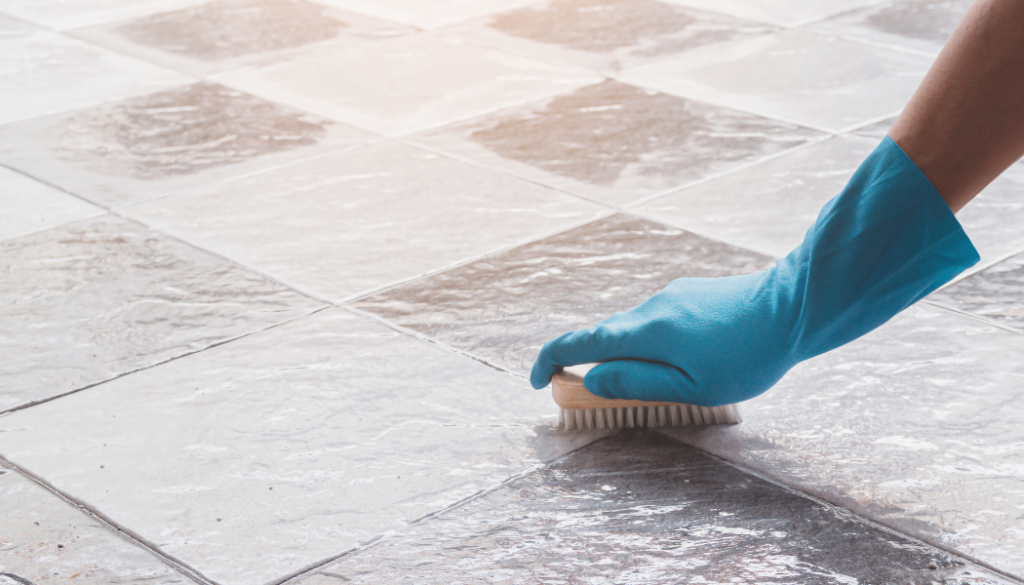
Floor tiles can make a home look clean, spacious, and well-maintained, but keeping them that way requires more than simply sweeping and mopping. Different tile materials respond differently to water, cleaning products, scrubbing, and moisture. Using the wrong method can leave behind dull patches, stains, scratches, or surface damage.
Whether your home has ceramic, porcelain, marble, granite, vitrified, or natural stone flooring, understanding the right cleaning approach can help maintain its appearance and durability. Promise Cleaning understands the importance of using suitable cleaning methods for different surfaces and maintaining a clean, comfortable environment.
Why Different Tiles Need Different Cleaning Methods
Not all floor tiles have the same surface properties. Some are highly resistant to moisture and stains, while others can absorb liquids or react to acidic cleaning products.
For example, ceramic and porcelain tiles are generally easier to maintain, while natural stone such as marble may require more careful cleaning. Strong chemicals that work on one surface may damage another.
Before cleaning, identify the tile material and check the manufacturer’s care recommendations whenever possible.
How to Clean Ceramic Floor Tiles
Ceramic tiles are commonly used in kitchens, bathrooms, living rooms, and other areas because they are relatively easy to maintain.
Simple cleaning routine:
- Sweep or vacuum the floor to remove loose dust and sand.
- Mix a mild, tile-safe cleaner with water.
- Mop the surface using a soft mop or microfiber cloth.
- Pay extra attention to grout lines and corners.
- Rinse if the cleaning product requires it.
- Allow the floor to dry properly.
Avoid using rough scrubbers unnecessarily, as repeated aggressive scrubbing can affect the finish of some tiles and grout.
How to Clean Porcelain Tiles
Porcelain tiles are dense and have low water absorption, making them practical for areas that experience frequent foot traffic.
For routine cleaning, remove loose dirt first and then mop with clean water or a mild pH-neutral cleaning solution. For textured porcelain tiles, use a soft brush to reach dirt trapped in the surface pattern.
Avoid allowing cleaning solutions to dry on the floor. Residue can make the surface look cloudy or leave a slippery film.
How to Clean Vitrified Tiles
Vitrified tiles are popular because of their smooth finish and relatively low maintenance requirements. However, their glossy appearance can make dust, footprints, and streaks more noticeable.
For regular maintenance:
- Sweep or vacuum before mopping.
- Use a mild cleaning solution.
- Mop with a clean microfiber mop.
- Change dirty water frequently.
- Dry the floor when necessary to prevent water marks.
Avoid excessive amounts of detergent. More cleaning products does not necessarily mean better cleaning and may leave a residue on the surface.
How to Clean Marble Floors
Marble requires more care than many manufactured tiles. It is a natural stone and can be affected by acidic substances.
Avoid using vinegar, lemon juice, or other acidic household cleaners on marble flooring. These substances can affect the stone’s surface and leave dull-looking areas.
Instead:
- Remove dust using a soft broom or vacuum.
- Use a pH-neutral cleaner designed for natural stone.
- Mop gently with a microfiber mop.
- Wipe spills as soon as possible.
- Avoid abrasive cleaning pads.
If the marble has persistent stains, etching, or a noticeably dull surface, professional assessment may be more appropriate than repeated household scrubbing.
How to Clean Granite Floors
Granite is durable, but it still benefits from proper care. Start by removing loose dirt before mopping with a mild, stone-safe cleaning solution.
Avoid harsh chemicals and abrasive tools that may affect the finish. Spills should also be cleaned promptly, particularly in kitchens and dining areas.
For granite flooring that has lost its finish or developed stubborn stains, routine mopping may not be enough. Specialized stone-cleaning methods may be required.
How to Clean Natural Stone Tiles
Natural stone tiles can include slate, limestone, travertine, and other materials. Because these stones have different levels of porosity and surface characteristics, there is no single cleaning method that works for every type.
A safe approach is to:
- Identify the stone before cleaning.
- Remove loose dirt first.
- Use a cleaner recommended for that particular stone.
- Avoid acidic products unless specifically approved.
- Use soft cleaning tools.
- Prevent standing water from remaining on the surface.
Some natural stone floors may also require periodic sealing to reduce the risk of staining and moisture absorption.
How to Clean Tile Grout Without Damaging It
Clean tiles can still look dirty when grout lines have accumulated dust, soap residue, or stains.
For routine grout cleaning, use a soft brush and an appropriate grout-safe cleaning solution. Avoid aggressive scrubbing with hard-bristled brushes, especially on older or damaged grout.
If the grout is cracked, loose, or severely discoloured, cleaning alone may not solve the problem. In such cases, the grout may need repair or replacement.
Cleaning Mistakes to Avoid
Some common cleaning habits can gradually damage floors or make them appear dull.
Using Too Much Detergent
Excess detergent can leave a sticky or cloudy residue. Follow the recommended dilution instead of assuming that a stronger solution will clean better.
Using Abrasive Scrubbers
Steel wool and other harsh materials can scratch certain tile surfaces and damage finishes.
Using Vinegar on Every Type of Tile
Vinegar is often suggested as a household cleaning solution, but acidic cleaners are not suitable for many natural stone surfaces, including marble.
Mopping With Dirty Water
Dirty mop water can spread dust and grime across the floor instead of removing it. Replace the water regularly during larger cleaning jobs.
Leaving Water Standing on the Floor
Standing moisture can create problems around grout lines and may contribute to dampness, especially in poorly ventilated areas.
Ignoring Grout and Corners
The tile surface may appear clean while dirt continues to accumulate along grout lines, edges, and underneath furniture.
How Often Should Floor Tiles Be Cleaned?
The ideal cleaning frequency depends on the room, household activity, and type of flooring.
High-traffic areas may need sweeping or vacuuming every day, while mopping can be done several times a week depending on how quickly dirt accumulates. Kitchens and bathrooms may require more frequent cleaning because they are exposed to moisture, food particles, grease, and other residues.
A deeper cleaning can be scheduled periodically to address grout, corners, accumulated stains, and areas that routine mopping does not fully reach.
Tips for Keeping Tile Floors Cleaner for Longer
A few simple habits can reduce the amount of dirt that reaches your floor:
- Place doormats at entrances.
- Remove outdoor footwear when possible.
- Clean spills quickly.
- Sweep high-traffic areas regularly.
- Use clean microfiber mops.
- Avoid excessive cleaning chemicals.
- Keep grout lines dry when possible.
- Move furniture occasionally to clean underneath.
- Follow the care instructions for your specific flooring material.
When Can Professional Floor Cleaning Help?
Routine cleaning is usually enough for everyday maintenance, but some floors develop problems that are difficult to address with standard household methods. Deep-set stains, heavily soiled grout, accumulated residue, post-renovation dust, and large floor areas may require specialized equipment and appropriate cleaning techniques.
Promise Cleaning can help homeowners and businesses maintain cleaner floor surfaces by using appropriate cleaning approaches based on the type and condition of the flooring.
Professional cleaning can also be useful when you are unsure which products or methods are safe for a particular tile material.
Conclusion
Cleaning floor tiles safely starts with knowing what material you are dealing with. Ceramic and porcelain tiles can generally tolerate straightforward cleaning routines, while marble, granite, and other natural stones require more specific care.
Using the right cleaner, avoiding unnecessary scrubbing, removing spills promptly, and maintaining grout regularly can help your flooring stay cleaner and retain its appearance for longer.
For homes and workplaces in Calicut, Promise Cleaning focuses on practical cleaning solutions that help maintain cleaner and more comfortable spaces. A consistent cleaning routine, combined with the right cleaning methods, can make a significant difference in keeping your floors looking their best.