
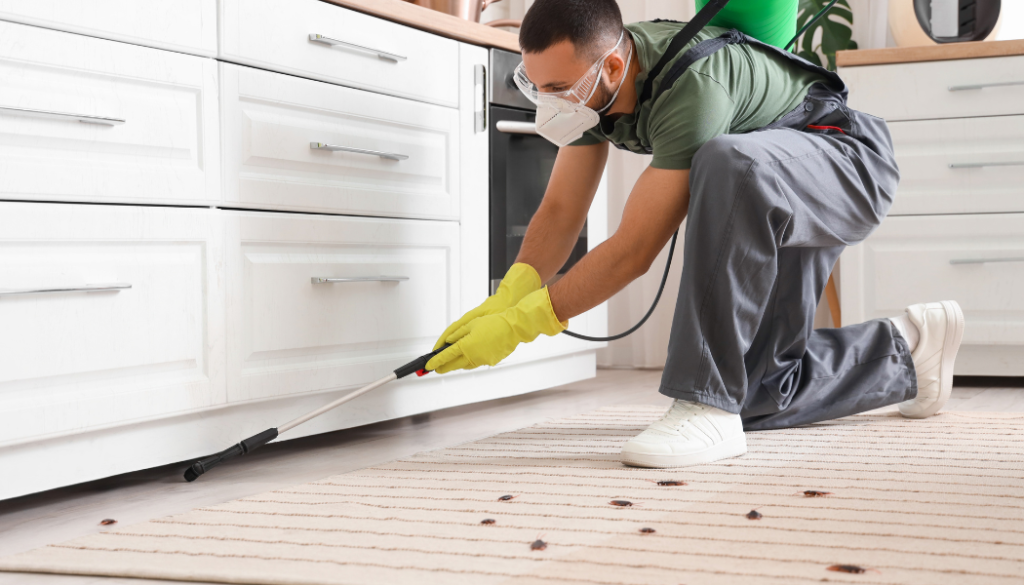
Cockroaches and ants are common kitchen pests that can become difficult to manage when food crumbs, moisture, and waste are left unattended. In Kerala, where many homes experience warm, humid weather and seasonal rainfall, damp kitchen corners, leaking pipes, and poorly sealed storage areas can make pest prevention especially important.
Whether you live in a flat, an independent house, or a villa, maintaining a clean kitchen is one of the most effective steps towards reducing pest activity. Regular cleaning, proper food storage, and sealing entry points can help keep cockroaches and ants away from food preparation areas.
In this guide, Promise Cleaning Service shares practical kitchen-cleaning tips to help households in Kerala maintain a cleaner and more hygienic cooking environment.
Why Do Cockroaches and Ants Enter Kerala Kitchens?
Before trying to get rid of pests, it helps to understand what attracts them. Cockroaches and ants usually enter kitchens in search of food, water, and shelter.
Common causes include:
- Food crumbs and spills: Rice grains, sugar, biscuit crumbs, and leftover food can attract ants and cockroaches.
- Moisture and leaks: Damp areas beneath sinks and around water pipes provide favourable conditions for pests.
- Uncovered rubbish bins: Food waste left in open bins can attract insects.
- Poorly stored groceries: Open packets of sugar, flour, rice, and other dry ingredients may attract pests.
- Cracks and gaps: Small openings around doors, windows, pipes, and cupboards can provide entry points.
- Hidden grease and dirt: Areas behind refrigerators, under kitchen cabinets, and around cooking appliances may accumulate food residue.
Identifying and addressing these conditions is essential for reducing recurring pest problems.
1. Clean Kitchen Surfaces After Every Meal
One of the simplest ways to discourage cockroaches and ants is to remove food residues before they attract pests.
After cooking or eating, wipe countertops, dining tables, stovetops, and other food preparation surfaces. Clean up spilled curry, oil, sugar, and food particles as soon as possible.
Follow these daily cleaning habits:
- Wipe kitchen counters with a suitable cleaning solution.
- Sweep the floor to remove rice grains and food crumbs.
- Clean spills around the stove and cooking area.
- Wash used dishes instead of leaving them overnight.
- Keep kitchen clothes clean and allow them to dry between uses.
- Wipe the exterior of food containers before returning them to storage.
Pay attention to corners and spaces beneath kitchen appliances, where small food particles can easily collect.
2. Deep Clean Kitchen Cabinets and Storage Areas
Kitchen cabinets often contain hidden food particles that attract ants and cockroaches. Even if the visible surfaces look clean, crumbs and spilled ingredients may remain inside drawers and storage compartments.
Remove groceries and utensils when necessary, then clean shelves, drawer corners, cabinet handles, and accessible gaps. Allow the surfaces to dry before replacing the contents.
For better results:
- Store rice, flour, sugar, and spices in tightly sealed containers.
- Check grocery packets for signs of insects before storage.
- Discard heavily infested food safely.
- Avoid placing open food packets directly on the floor.
- Clean spills immediately rather than allowing them to accumulate.
- Inspect the spaces behind and beneath cabinets regularly.
A periodic deep-cleaning routine can help you reach areas that everyday wiping may miss.
3. Keep the Kitchen Sink and Drain Area Dry
Water is an important resource for many household pests. A kitchen may remain attractive to cockroaches even when food is stored correctly if moisture is constantly available.
After washing dishes, wipe excess water from the sink edges and nearby countertops. Check beneath the sink for dripping pipes, damp cloths, or water accumulation.
Additional precautions include:
- Repair leaking taps and pipes promptly.
- Remove food scraps from sink strainers.
- Clean the sink and surrounding surfaces regularly.
- Keep the area beneath the sink free from unnecessary clutter.
- Avoid leaving standing water in trays or containers.
- Ensure the kitchen has adequate ventilation.
Do not pour insecticides or strong chemicals into drains unless the product label specifically permits that use. Persistent pest activity near drains may require a more targeted inspection.
4. Store Food Properly to Prevent Ant Infestations
Ants can find even small quantities of sugary or oily food. Once they discover a reliable food source, they may leave a trail that allows other ants to follow.
Proper food storage helps reduce this attraction.
Use these practical tips:
- Transfer opened food packets into airtight containers.
- Keep sweets, biscuits, jaggery, and sugar securely covered.
- Store leftovers in appropriate covered containers in the refrigerator.
- Clean sticky spills from jars and bottle exteriors.
- Empty kitchen waste bins regularly.
- Avoid leaving pet food or uncovered food scraps on the floor.
If you notice a trail of ants, follow it to identify the likely entry point and food source. Clean the affected area and seal accessible gaps where appropriate.
5. Seal Entry Points Around the Kitchen
Cockroaches and ants can enter through tiny openings around windows, doors, plumbing connections, and wall joints.
Inspect the kitchen carefully, especially near the sink, utility area, and storage cabinets. Repair gaps around pipes and seal suitable cracks with appropriate materials.
You can also:
- Fit suitable screens to windows and ventilators.
- Check door gaps and damaged seals.
- Keep unused cardboard boxes out of kitchen storage areas.
- Reduce clutter around plumbing and appliance spaces.
- Inspect grocery bags and delivery packaging before storing them.
In apartment buildings, pests may also travel through shared plumbing spaces or neighbouring units. If the problem keeps returning despite regular cleaning, coordinated pest management may be necessary.
6. Use Safe Methods to Manage Cockroaches and Ants
Cleaning and prevention are important, but an established infestation may require additional measures.
For a small ant problem, clean the trail, remove the food source, and seal the entry point where possible. For cockroaches, remove food and water sources, inspect hiding places, and consider suitable traps or targeted bait products.
When using pest-control products, follow these precautions:
- Choose products specifically labelled for the intended pest and location.
- Follow the label instructions and application restrictions.
- Keep pesticides away from food, utensils, and food-contact surfaces.
- Keep children and pets away from treated areas as directed.
- Never mix different cleaning chemicals or pesticides.
- Do not apply insecticides directly to food, dishes, or cooking surfaces.
- Wash food-contact surfaces as directed by the product label before using them again.
Avoid relying entirely on homemade repellents or strong-smelling ingredients. They may not eliminate a colony or address a cockroach breeding site. For persistent or widespread infestations, contact a qualified pest-control professional.
7. Follow a Regular Kitchen Deep-Cleaning Routine
Daily cleaning helps maintain hygiene, while periodic deep cleaning targets the less accessible areas where dirt and grease accumulate.
A useful kitchen-cleaning routine includes:
Daily tasks
- Wipe counters and the stovetop.
- Wash dishes and remove food scraps.
- Sweep the floor and clean spills.
- Empty waste bins when needed.
- Check for standing water and visible pest activity.
Weekly tasks
- Clean cabinet exteriors and frequently used shelves.
- Scrub the sink and nearby surfaces.
- Clean accessible areas behind small appliances.
- Wash rubbish bins and allow them to dry.
- Inspect corners and under-sink storage.
Periodic deep-cleaning tasks
- Empty and clean suitable cabinet interiors.
- Remove accumulated grease from accessible surfaces.
- Clean behind and beneath movable appliances where safe.
- Inspect pipe connections, wall gaps, and window tracks.
- Arrange repairs or professional pest treatment when needed.
A consistent schedule makes kitchen cleaning more manageable and helps prevent the build-up of food residues and moisture.
8. When Should You Consider Professional Help?
If cockroaches appear repeatedly during the day, ants return despite cleaning, or you find droppings, egg cases, or multiple nests, the problem may be more than a routine housekeeping issue.
Professional assistance may be useful when:
- Pests continue to appear after regular cleaning.
- Cockroaches are hiding inside appliances or wall gaps.
- Ant trails repeatedly return from inaccessible locations.
- Several areas of the property show signs of infestation.
- You need help identifying conditions that encourage recurring pests.
It is important to distinguish cleaning from pest control. Deep cleaning removes food residues, grease, and dirt that attract pests, while a persistent infestation may require targeted treatment by a qualified pest-control provider.
How Promise Cleaning Service Can Help Maintain a Cleaner Kitchen
A clean kitchen supports everyday comfort and better food hygiene. Regular attention to countertops, cabinets, floors, sinks, and other frequently used areas can reduce the accumulation of grease, crumbs, and moisture that attract pests.
Promise Cleaning Service provides cleaning services in Calicut and the surrounding service areas. If your kitchen needs more attention than your regular cleaning routine allows, you can discuss your cleaning requirements with the team.
For ongoing cockroach or ant infestations, consider professional pest control alongside suitable cleaning and preventive measures. Confirm the service coverage and exact work included before making an appointment.
Frequently Asked Questions
1. How can I prevent cockroaches in my Kerala kitchen?
Keep food covered, clean crumbs and grease regularly, repair water leaks, empty rubbish bins, and seal accessible cracks. Inspect hidden areas beneath sinks and behind appliances. Persistent infestations may require professional pest control.
2. Why do ants keep returning to my kitchen?
Ants may return because a food source remains available or their entry point has not been addressed. Clean food trails, store ingredients in airtight containers, remove spills, and seal suitable gaps.
3. Does deep cleaning help control cockroaches?
Deep cleaning helps remove food residues, grease, and debris that attract cockroaches. However, cleaning alone may not eliminate an established infestation hidden inside walls, cabinets, drains, or appliances.
4. How often should I deep clean my kitchen?
Clean food preparation surfaces daily and pay attention to sinks, floors, and waste bins. Schedule a more thorough cleaning of cabinets, appliance spaces, and other hard-to-reach areas regularly, depending on how frequently the kitchen is used.
5. Are insecticide sprays safe to use in kitchens?
Some products are labelled for specific indoor uses, but they must be applied exactly as directed. Protect food and utensils, avoid contaminating food-contact surfaces, and follow all re-entry and cleaning instructions on the label.
6. Can a cleaning service completely eliminate ants and cockroaches?
Cleaning can reduce the conditions that attract pests, but it cannot guarantee the elimination of an infestation. Recurring or widespread pest activity may require a qualified pest-control professional.
Conclusion
Cockroaches and ants can make a kitchen uncomfortable and create food-hygiene concerns. The best approach combines daily cleaning, secure food storage, moisture control, proper waste disposal, and sealing accessible entry points.
By following these steps, households in Kerala can make their kitchens less attractive to common pests. When dirt and grease have accumulated in hard-to-reach areas, regular deep cleaning can help restore cleanliness. For persistent infestations, combine good housekeeping with appropriate professional pest-control measures.